Last Updated: November 5, 2026
Quick Summary
Reliable property cleanup services in Oklahoma City cover yard cleanup, brush clearing, vacant-unit cleanouts, debris and leftover dirt removal. A dependable provider gives a written scope and price, verifies insurance, and confirms where debris is disposed.
- Confirm the scope in writing, including what is excluded such as hazardous materials, refrigerant appliances and tires.
- Ask for a certificate of insurance showing general liability coverage before booking any crew.
- Ask how each provider measures a load, since level, heaped and weight-based quotes differ.
- Ask for a disposal receipt and confirm where debris is taken, so you are not liable for illegal dumping.
- Request two or three recent references with similar job size to check on-time arrival and invoice accuracy.
Table of Contents
- What Property Cleanup Services Actually Cover
- Yard Debris Removal: What Gets Hauled and What Doesn't
- Leftover Dirt Removal After Landscaping
- Dirt Hauling Services and Site Cleanup Between Tenants
- What Affects Property Cleanup Pricing
- How to Choose a Property Cleanup Company You Can Trust
- Booking a Property Cleanup Estimate With NexGen Dirt & Haul
- Frequently Asked Questions
Finding reliable property cleanup services in Oklahoma City that actually show up on time is harder than it should be. This guide explains what a reliable cleanup service covers, what drives the cost, and how to vet a company before you hand over the keys. Landlords, homeowners and small contractors all face the same question: who can clear a lot quickly and responsibly without surprise charges?
Start with scope. A property cleanup is any job that removes unwanted material from a site so it can be used, rented, sold or built on. Some jobs are small, like hauling a few bags of brush from a backyard. Others are larger, like clearing an overgrown lot or emptying a vacant rental after a tenant moves out.
What Property Cleanup Services Actually Cover
Most cleanup work falls into a few groups. Knowing which group your job belongs to makes it easier to get an accurate estimate.
Yard cleanup and overgrown brush clearing
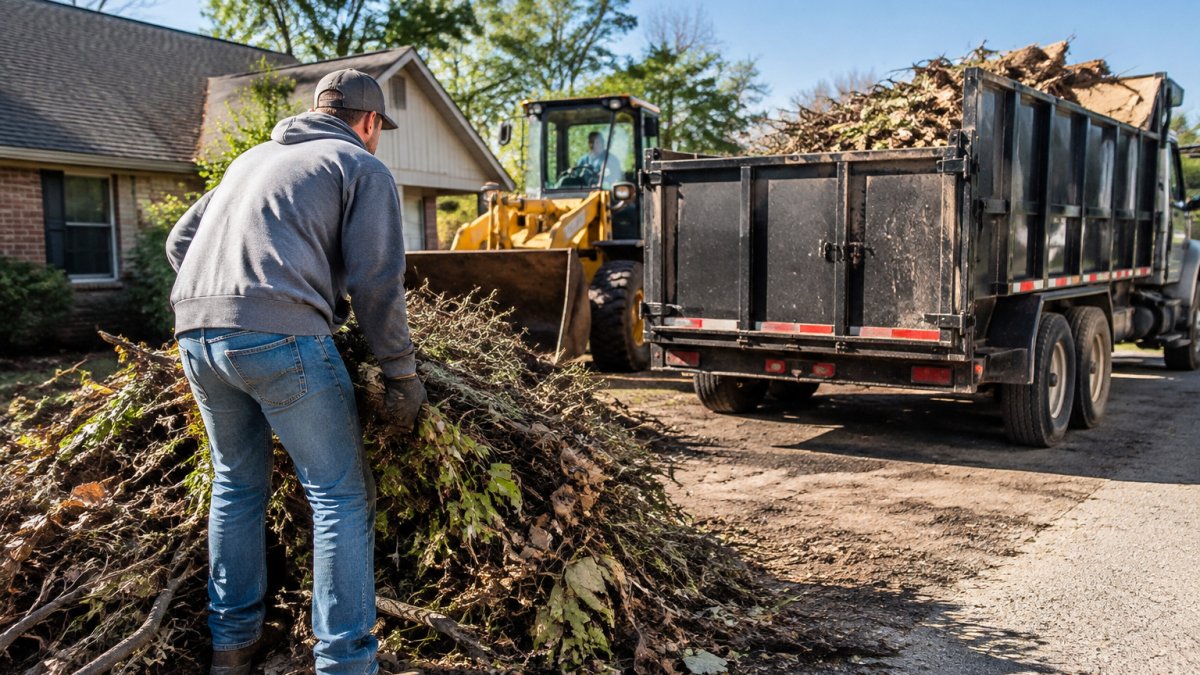
Yard cleanup usually means removing tall grass, weeds, fallen limbs and brush that has taken over an area. Brush clearing goes further. If you need overgrown brush cleared, see the brush removal and small-lot clearing service. It involves cutting back dense growth and hauling the cut material away. A common mistake is assuming all brush is the same. Thick, woody growth takes more time and equipment than a light tidy-up, and the difference shows up in the quote.
Move-out and vacant property cleanouts
Landlords often need a vacant unit or house emptied, swept and made ready for the next tenant. A cleanout may include furniture, appliances and personal items left behind, plus exterior trash and debris around the property. Ask whether the price covers loading and disposal, or just the removal from the house to the curb.
Yard Debris Removal: What Gets Hauled and What Doesn't
Yard debris includes branches, brush, leaves, grass clippings, sod and small stumps. To see what a crew will haul, send photos for a free junk and brush hauling quote. These materials are typically the easiest to haul in a truck load. Construction debris, such as broken concrete, drywall or roofing material, is heavier and often handled separately.
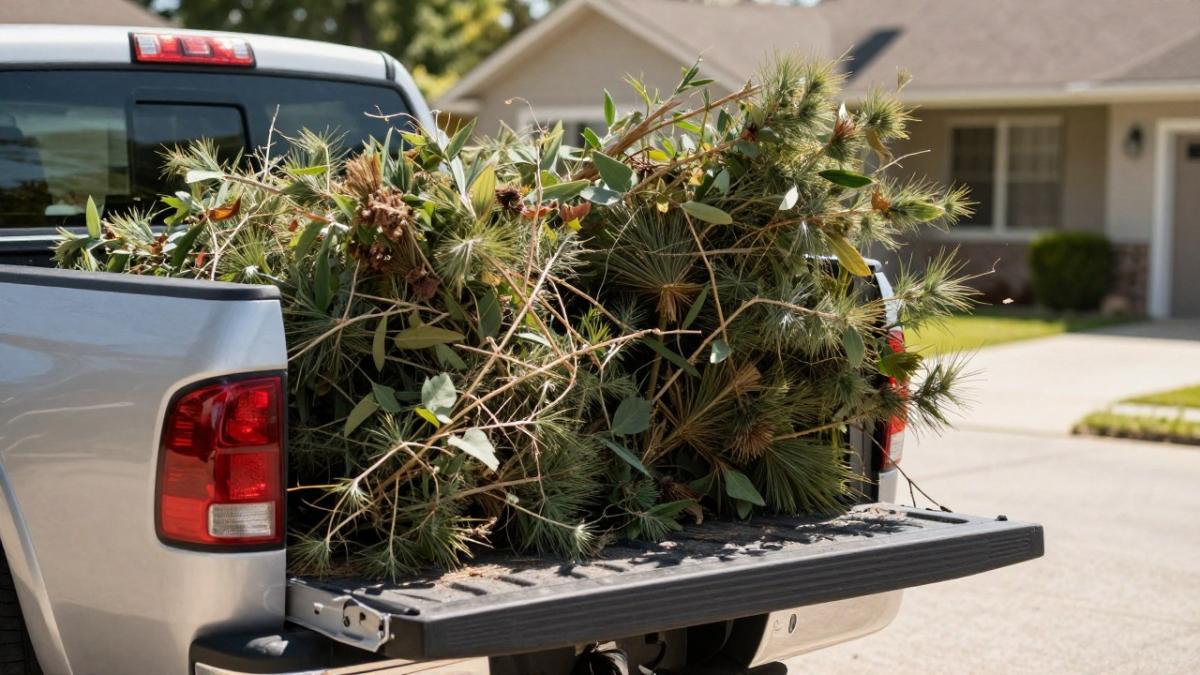
Before booking, check what the crew will take. Hazardous materials like paint, motor oil, batteries and pesticides usually require special disposal and are commonly excluded from standard hauling. Tires and appliances with refrigerants may also need separate handling. Asking this up front avoids a surprise at pickup.
Watch out: loading debris into a truck beyond its rated capacity can damage the vehicle and create a road hazard. Reputable crews weigh or measure their loads, so ask how they price by volume or by weight.
Leftover Dirt Removal After Landscaping
Landscaping projects often leave behind extra soil, mulch and gravel. Removing it is a separate task from installing new landscaping, and it is easy to underestimate. Dirt is heavy, and a pile that looks small can fill a truck faster than expected.
If you are clearing leftover dirt, measure the pile or estimate its volume in cubic yards before requesting a quote. You can also review the grading and small excavation services offered for site work. Also confirm whether the crew can spread the dirt on your property instead of hauling it away. Spreading can save money when you have space, but it requires the crew to know what to do with it.
Dirt Hauling Services and Site Cleanup Between Tenants
Dirt hauling is useful for property managers who need to remove soil, gravel or debris between tenants. Site cleanup between tenants often combines light yard work with trash removal and minor grading. A quick turnaround matters here, because every vacant day is lost rent.
Many landlords find it helpful to set up a standing arrangement with one cleanup provider for all their properties. For material needs between turnovers, you can check the local dirt, gravel and aggregate delivery options. This keeps the quality consistent and makes scheduling faster when a unit turns over.
What Affects Property Cleanup Pricing
Most cleanup companies quote by the truckload, by cubic yard, or by the hour, and the quote you get depends on how those units are counted. A quote given without seeing the site may change once the crew arrives. When comparing bids, ask each provider to break the quote into labor, hauling, disposal fees, and any equipment charge.
Here is how the main cost drivers actually move the number:
- Volume and how it is measured. Truck and trailer capacities vary, so ask each provider how it measures a load. Ask whether the quote is based on a level load, a heaped load, or weight at the scale. Two companies can quote the same pile and mean different volumes.
- Material weight. Yard debris such as branches, leaves, and grass clippings is light and fills a truck quickly, while dirt, gravel, concrete, and roofing shingles are heavy. Ask how each material will be priced.
- Access and haul distance. A job behind a locked gate, up a steep driveway, or more than 50 feet from where the truck can park adds wheelbarrow or carry time. Labor is usually the largest line item on an access-constrained job.
- Equipment and crew size. Light yard cleanup may take two workers with hand tools. Brush clearing with dense, woody growth may require a chipper, a skid steer, or a mini excavator, and that equipment carries a separate charge.
- Disposal and tipping fees. Landfill and transfer-station charges vary by material and are commonly passed through to the customer. Ask whether the disposal fee is included in the quoted price or billed separately, and ask for the receipt if the fee is itemized.
- Timing and scheduling. Same-week or next-day service often carries a premium because the crew has to reshuffle other jobs. Booking several days out usually costs less.
Ask whether a provider will confirm the final price on site before any work starts, and whether it will re-quote if the job turns out larger than the photos suggested. Get the confirmed scope, the unit of measure, and the disposal terms in writing before the truck pulls up.
Watch out: a quote that is dramatically lower than the others may exclude disposal fees or assume a smaller volume than you described. Ask where the debris is going and whether the provider can show a disposal receipt.
The article lists the main factors that move a cleanup quote, and how each one changes the price.
| Cost driver | What changes the price | What to ask |
|---|---|---|
| Volume and measurement | Truck capacity and how load is measured | Is the quote level, heaped, or by weight? |
| Material weight | Dirt and gravel are heavy; yard debris is light | How is each material priced? |
| Access and haul distance | Locked gates, steep driveways, carry over 50 feet | Does the price include carry time? |
| Equipment and crew size | Chippers, skid steers, mini excavators | Is equipment a separate charge? |
| Disposal and tipping fees | Landfill and transfer-station charges | Is disposal included or billed separately? |
| Timing and scheduling | Same-week service often carries a premium | Is booking several days out cheaper? |
How to Choose a Property Cleanup Company You Can Trust
Reliability is the biggest concern for landlords and contractors, and it is a fair one. A crew that cancels last minute can delay a rental turnover or stall a build schedule. The checks below are the ones that separate a provider you can book repeatedly from one you regret once.
Verify insurance before you book. Ask any provider for a certificate of insurance showing general liability coverage and, if crews will be on your property with vehicles, commercial auto coverage. If a company cannot produce one, walk away.
Confirm the legal structure and any required registration. Business registration and local licensing rules for hauling and debris removal vary by location, so check the requirements that apply where you are. Ask for the legal business name and verify it in the state's business registry.
Get a written scope, not a verbal estimate. The written scope should list what is included (loading, hauling, disposal, sweeping or raking the site afterward), what is excluded (hazardous materials, appliances with refrigerants, tires), the unit of measure for the price, and the payment terms. A verbal estimate with no written details is the most common source of end-of-job disputes.
Ask where the debris goes. Responsible providers use permitted landfills, transfer stations, or recycling facilities and can produce a disposal receipt. Ask directly whether the material is sorted for recycling or donation before disposal.
Check references for jobs your size. A crew used to quarter-acre residential lots and small rental turnovers will plan differently than one that only handles large commercial sites. Ask for two or three recent references with similar scope, and ask those references whether the crew arrived in the promised window and whether the final invoice matched the quote.
Confirm the change-order process. Ask what happens if the job looks bigger on site than in the photos. Ask whether a reliable provider will stop, document the difference with photos, and re-quote before proceeding.
Ask how appointments are confirmed. Ask whether a provider will text a reminder and commit to a firm arrival window. For rental turnovers, ask whether the provider can commit to a morning window so the unit can be shown the same day.
A common mistake is accepting a verbal estimate with no written details and no proof of insurance. Get the scope, the price, the disposal terms, and the certificate of insurance in writing before the crew arrives. That single step prevents most of the problems that make property owners distrust cleanup contractors in the first place.
Booking a Property Cleanup Estimate With NexGen Dirt & Haul
NexGen Dirt & Haul keeps the process simple. You send photos of your project by text, and the team reviews them to give you a clear, honest quote. Check the brand's pricing page for current prices or to request a free quote.
To get the most accurate quote, include a few photos from different angles, note the approximate size of the area, and describe what needs to go. If you are unsure whether an item is accepted, ask before the crew arrives. Clear information up front leads to faster scheduling and fewer surprises on the day of the job.
Frequently Asked Questions
Can a cleanup service remove leftover dirt after landscaping?
Yes, most crews that handle dirt work can haul away leftover soil, mulch and rock after a landscaping job. Pricing depends on quantity, dates, and delivery, so check NexGen Dirt & Haul's pricing page for current prices or request a quote. Send clear photos of the pile and the access route so the crew can estimate the load before arriving. Ask whether the price includes loading and disposal fees.
How do I choose a reliable property cleanup company?
Start by confirming the company will show up on the date it commits to. Ask for references from similar jobs, such as rental turnovers or lot clearing, and check that the quote is written down with the scope listed. Look for a provider that explains what is excluded, like hazardous waste or large stumps. A written quote with a clear scope is a stronger signal than a low number alone.
What is included in a property cleanup service?
A typical property cleanup can include removing trash and junk, hauling yard debris, and clearing overgrown vegetation. Scope varies by provider, so ask for a list of what is covered before booking. Items like paint, batteries, tires and certain appliances often need separate handling under local disposal rules.
Do property cleanup services haul away yard debris?
Yes, debris removal can cover yard debris such as cut brush, limbs, and leaves. Bag or pile debris near the curb or driveway before the crew arrives to speed up the job and help keep the estimate accurate.
Need a reliable crew for your property? Send NexGen Dirt & Haul a few photos of the site and get a clear estimate for cleanup, hauling or grading across the OKC metro.
