Quick Summary
Site preparation is the work that turns a raw lot into ground a builder can use: clearing brush and debris, stripping topsoil, grading to the planned elevations, and compacting the soil in layers so it can carry a foundation. Get the grade right, because it sets how water drains away from the house for its life.
- Walk the lot first and note low spots, old fill, buried debris, trees and stumps.
- Confirm zoning, grading permits and utility locates through 811 before any digging starts.
- Grub out stumps instead of cutting them flush, since roots left behind rot and settle.
- Compact loose fill in layers and have soil tested where the foundation will sit.
- Get quotes that break out clearing, grading, hauling, compaction and testing as separate lines.
Table of Contents
- What Site Preparation Involves and Why It Matters
- Site Assessment, Surveying and Permit Checks
- Site Preparation for Construction Checklist
- Clearing, Grading and Soil Work, Step by Step
- Construction Site Preparation Equipment
- Cost to Prepare Land for Building a House
- How Long Does Site Preparation Take, and Booking Your Crew
- Frequently Asked Questions
What Site Preparation Involves and Why It Matters
Last Updated: November 14, 2026
Site preparation is the work that turns a raw lot into ground a builder can actually use. The way dirt is graded decides where water goes once the house is up, so drainage is a key early consideration on most projects.
Site preparation is the process of clearing, grading, leveling and compacting a lot so it is ready for a foundation, driveway or building pad. It covers removing brush and debris, cutting or filling dirt to the right elevation, and making sure the soil can carry the weight of what goes on top of it.
Most people underestimate how much happens before the first concrete truck arrives. A typical residential lot needs the vegetation cleared, the topsoil set aside, the ground graded so water runs away from the structure, and access routes made for trucks and equipment.
Site Assessment, Surveying and Permit Checks
Before any equipment moves, walk the lot and note what is actually there. Look for low spots where water pools after rain, old fill, buried debris, and any trees or stumps that will need to come out. Check where the slope runs, since that tells you which direction water will want to travel.
A licensed surveyor can provide a boundary and topographic survey showing the exact property lines and elevation changes.
Permits are the other piece to confirm early. A practical approval sequence looks like this:
- Zoning and land-use check. Confirm the proposed use, setbacks, lot coverage, and height limits with the local planning or zoning department. Ask whether the lot is in a floodplain, a protected buffer, or a special overlay district, since each adds review steps.
- Grading and fill permit. Many cities and counties require a permit for significant grading, fill, or excavation, and some require a stamped grading plan or engineer's letter for fills above a stated depth. Ask the permit clerk what triggers the requirement so you do not over- or under-apply.
- Stormwater and erosion control plan. Ask your local and state environmental agencies whether disturbance on your lot triggers stormwater or erosion control requirements, since thresholds and local rules vary.
- Utility coordination. Submit locate requests through the state one-call system (811) before digging, and separately confirm capacity and service availability with each utility provider. Easements shown on the survey tell you where you cannot place fill, stockpiles, or equipment.
- Inspections and hold points. Ask the building department which inspections apply to site work, such as footing, foundation, or grading inspections, and at what stage each must be called. Put those hold points on the schedule so the crew does not backfill over unapproved work.
Watch out: starting without a required permit can mean stop-work orders, fines, and removal of work already in place.
Keep a single permit folder with the application, approved plans, inspection cards, and any conditions of approval. When the inspector arrives, that folder answers most questions on the spot and prevents a return trip.
Site Preparation for Construction Checklist
Use this checklist to confirm the lot is ready before the foundation crew shows up:
- Boundary survey and elevation survey in hand
- Grading and any required permits approved
- Utility lines located and marked
- Trees, stumps, brush and debris removed
- Topsoil stripped and stockpiled for later use
- Rough grade set so water drains away from the building pad
- Soil compacted and tested where the foundation will sit
- Temporary construction entrance and access route in place
- Erosion controls installed where required
Checking off each item before the next crew arrives saves rework. If you would rather hand off the leveling and shaping, small excavation, yard leveling and grading can be quoted for your lot. A site prep checklist also gives your inspector and contractor one shared list to work from.
Clearing, Grading and Soil Work, Step by Step
Start with clearing. If the lot is overgrown, brush cleanup and small-lot clearing can handle this step for you.
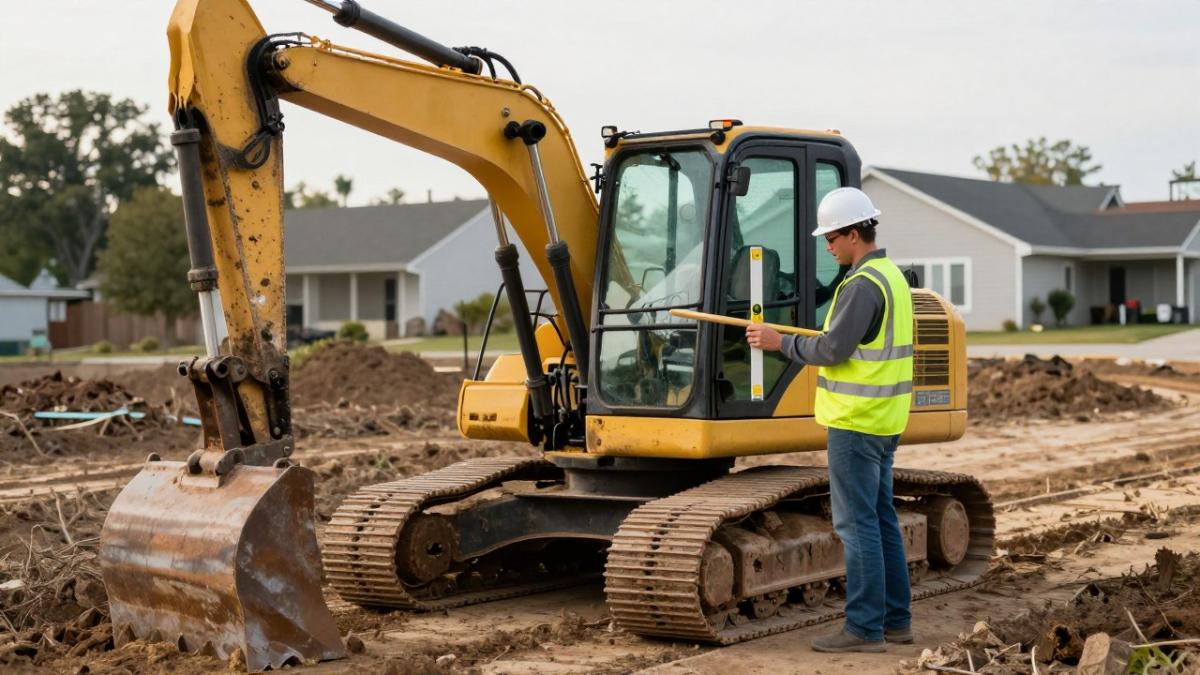
Next, strip the topsoil. Scrape off the top layer of organic soil, which usually runs several inches deep, and stockpile it away from the build area so you can spread it back over finished grades for landscaping.
Then grade the site. Cut high spots and fill low ones to reach the planned elevations, keeping the building pad level and sloping the surrounding ground away from the structure.
Finish with compaction. Loose fill settles unevenly under a foundation, so it has to be compacted in layers. Walk over each lift with the equipment, then have the soil tested where it matters most.
Construction Site Preparation Equipment
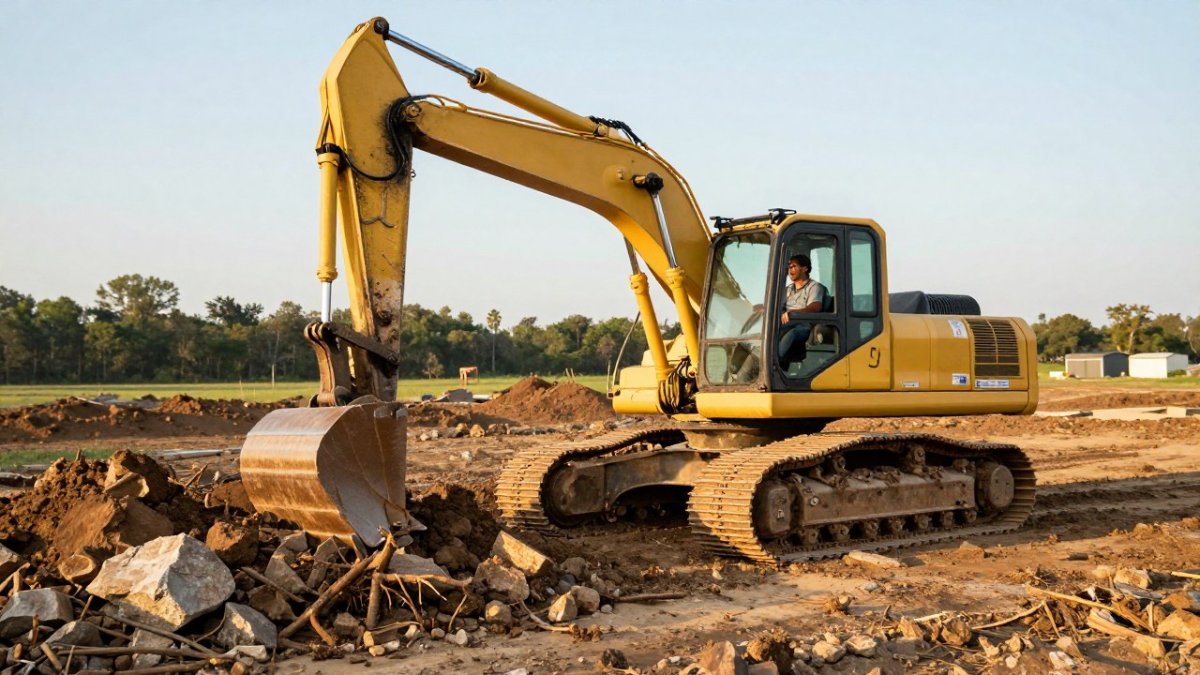
Most residential site work uses a small set of machines. A compact excavator handles digging, trenching and fine grading in tight spaces. A skid steer or track loader moves dirt, gravel and debris quickly. A dozer pushes large volumes of material on bigger lots, and a compactor (plate or roller) packs the soil in layers. Dump trucks haul away spoil and bring in fill or base rock.
Choosing equipment depends on lot size, access and how much dirt has to move. A narrow lot with a tight gate may only fit a mini excavator, while a wide open lot can take a full-size dozer. Hand tools such as rakes, shovels and laser or string levels still matter for the final finish.
Cost to Prepare Land for Building a House
Site preparation costs vary widely with lot size, how much clearing is needed, how far material has to travel, and how much grading or fill the site requires.
The factors that usually move the price most:
- Clearing volume. Heavy brush, mature trees, and stump removal cost more than grass and light saplings, because stumps must be grubbed out and hauled, not cut flush. Ask whether the quote prices clearing per acre, per tree, or as a lump sum, and what happens if unexpected debris is found.
- Soil conditions and haul distance. Poor soil that must be replaced, and long hauls for fill or spoil, add trucking time and disposal fees. Ask where spoil goes and whether disposal is included.
- Cut and fill balance. A site that balances cut and fill on site avoids import and export costs. A site that needs imported fill or exports excess dirt pays for every load in both directions.
- Compaction and testing. Engineered fill placed in lifts and verified by a qualified testing agency costs more than simple grading, but it is what a foundation inspector will expect under a structural pad.
- Permit, engineering, and inspection fees. Grading permits, stormwater plan review, and third-party soil or compaction testing are real line items. Ask whether the contractor pulls permits or whether that is your responsibility.
- Access and logistics. A narrow lot with a tight gate, overhead lines, or no room to stockpile slows equipment and adds hand work.
When you compare quotes, require each provider to break out clearing, stripping and stockpiling topsoil, grading, fill import or export, hauling, compaction, testing, and erosion controls as separate lines.
A common pattern is that the lowest bid assumes the most favorable site conditions and then issues change orders once the ground is opened. Compare professional excavation against doing the work yourself to see which approach fits your budget and timeline.
For current pricing on dirt, gravel and grading work, check the pricing details on the NexGen Dirt & Haul website or request a quote from our team.
The main cost drivers for site preparation, as covered above, are summarised below.
| Cost driver | What raises the price | What to ask for |
|---|---|---|
| Clearing volume | Heavy brush, mature trees, stump removal | Price per acre, per tree or lump sum |
| Soil and haul distance | Poor soil, long hauls for fill or spoil | Where spoil goes; whether disposal is included |
| Cut and fill balance | Imported fill or exported excess dirt | Quantities in cubic yards for cut and fill |
| Compaction and testing | Engineered fill verified by testing agency | Testing included as a separate line |
| Permits and inspections | Grading, stormwater and testing fees | Whether the contractor pulls permits |
| Access and logistics | Tight gates, overhead lines, no stockpile room | Access assessment during site visit |
How Long Does Site Preparation Take, and Booking Your Crew
Simple lots with little clearing and light grading move faster, while heavily wooded lots, large cuts or fill, and inspections between phases stretch the schedule. Weather is the biggest variable, since rain can stop work and turn fill soft.
Plan the sequence so the foundation crew can start as soon as the pad is ready, and build in time for inspections and soil testing.
When you are ready to book, have your survey, permit status and a rough description of the work on hand. Text NexGen Dirt & Haul a photo of the lot to request a quote.
Frequently Asked Questions
What are the steps involved in preparing a site for construction?
Site preparation usually follows a clear order. First, assess the property and confirm boundaries with a survey. Next, check permit requirements with the local building department and locate utility lines before any digging. Then clear vegetation, remove debris and old concrete, and test the soil. After that, rough grade the lot so water drains away from the planned building pad, and finish with compaction and a final elevation check. Skipping the survey or utility locate is the most common and costly mistake.
How much does it cost to prepare land for building a house?
Costs to prepare land for building a house vary widely based on lot size, how much brush or old structures need removal, the amount of grading required, and how far materials must be hauled. Pricing depends on quantity, dates, and disposal needs. For current pricing, visit the NexGen Dirt & Haul pricing page or request a free quote by texting a photo of your project. Getting two or three written estimates is a reasonable way to compare scope and cost.
How long does construction site preparation take?
Timelines depend on the size of the lot, the amount of clearing and debris removal, the complexity of grading, and weather. A small residential lot with light clearing can often be prepared in a few days, while larger or heavily overgrown lots take longer. Rain can delay soil work, so build in buffer time. Scheduling the crew with clear goals ahead of arrival helps keep the work moving.
What equipment is used to prepare a construction site?
Common equipment includes compact excavators for clearing and trenching, skid steers for moving material, dozers for rough grading, dump trucks for hauling debris and soil, and plate compactors or rollers for compaction. Laser or rod levels help confirm grades. The right equipment depends on the lot size and access, and a crew should match machines to the job so drainage and soil stability are handled properly.
Do I need a survey before construction site preparation?
A survey is strongly recommended before any grading or excavation. It confirms property lines, easements, and the location of existing structures and utilities. Working without one risks damaging a water or gas line, encroaching on a neighbor's land, or grading in a way that causes drainage problems. Your builder or lender may also require a current survey before permits are issued.
What permits or approvals may be needed before clearing land?
Requirements vary by city and county, so check with your local building or planning department before clearing. Some jurisdictions require permits for grading, tree removal, or work near floodplains and drainage channels. Stormwater and erosion control rules may also apply to disturbed soil. Confirming requirements early avoids stop-work orders and fines.
What should I check before preparing land for a house?
Before preparing land, check the property survey, zoning rules, and utility locations. Review the soil conditions, since poor or expansive soil may need testing. Look at how water currently flows across the lot, and note any existing structures, septic systems, or old concrete to remove. Confirm site access for trucks and equipment. Having these answers ready lets the crew start right away.
