Table of Contents
- What Small Scale Excavation Services Actually Cover
- Yard Grading and Drainage: Fixing Uneven Lots and Water Problems
- Driveway Excavation and Repair: From Gravel to Solid Foundation
- Utility Locating Before Digging: Why It Matters and How It Works
- Understanding Excavation Project Cost and What Drives It
- How to Plan and Prepare Your Property for Excavation Work
- Getting a Quote and Choosing the Right Contractor
- Frequently Asked Questions
Last Updated: October 21, 2026
What Small Scale Excavation Services Actually Cover
Small scale excavation services handle the dirt work that transforms rough properties into functional spaces. At NexGen Dirt & Haul, we focus on projects homeowners and landlords can actually manage without massive budgets or weeks-long timelines. These services aren't just about moving dirt around, they're about solving specific problems that prevent properties from working the way they should.
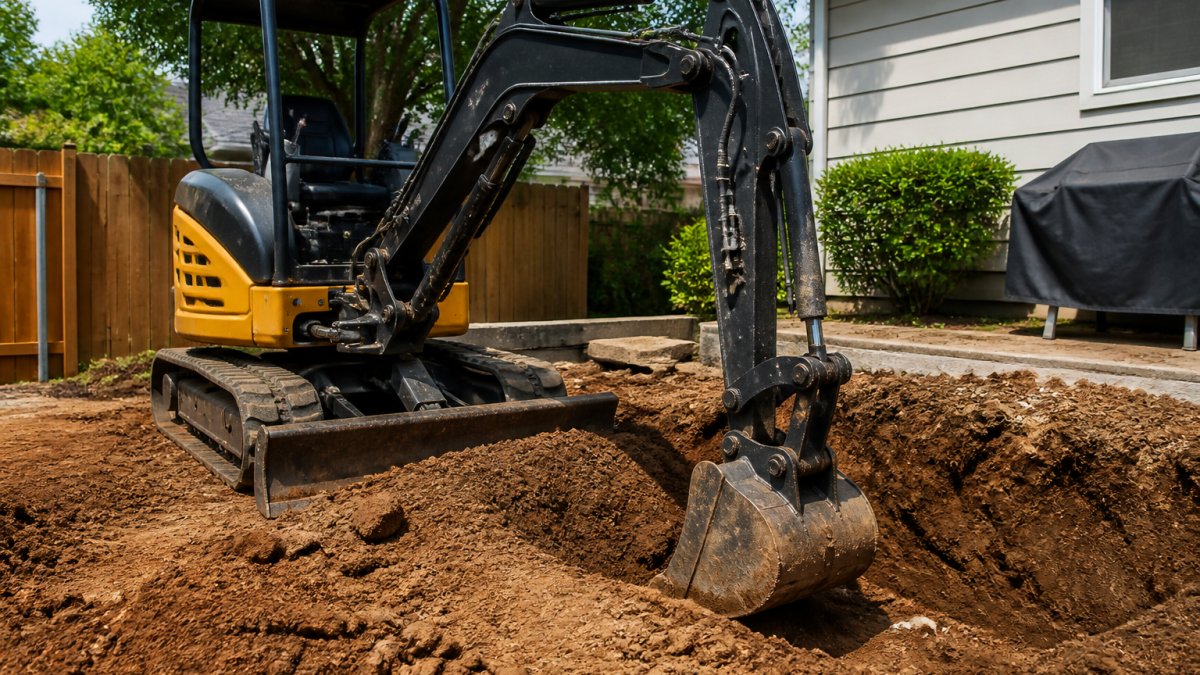
The core of small scale excavation covers several distinct areas. Yard grading levels uneven terrain and fixes drainage issues that turn yards into swamps after rain. Driveway excavation and repair restores access routes damaged by weather, age, or poor initial installation. Site preparation clears and readies land before construction or landscaping. Debris removal hauls away concrete, brush, old materials, and waste that accumulate on properties.
What makes these services "small scale" is scope and equipment. We're talking quarter-acre to one-acre projects, not multi-acre developments. The work uses compact equipment that fits residential lots without requiring extensive site access or heavy machinery staging areas. This approach keeps costs reasonable and minimizes disruption to your property and neighbors.
The real value shows up in what gets fixed. A graded yard drains properly instead of pooling water against your foundation. A repaired driveway stops creating potholes and washboard surfaces that damage vehicles. A cleared lot becomes usable space instead of an eyesore. For landlords managing turnover between tenants, these services reset properties quickly and affordably.
Yard Grading and Drainage: Fixing Uneven Lots and Water Problems
Uneven yards cause two problems: water pools where it shouldn't, and mowing becomes a wrestling match with a machine designed for flat ground. Yard grading and drainage solutions fix both by reshaping the terrain to move water away from structures and create usable space.
The process starts with understanding your lot's natural slope and drainage patterns. Most residential properties should slope away from the house foundation at roughly one inch of drop per four feet of horizontal distance. When this slope is missing or reversed, water sits against your foundation, seeps into basements, and creates conditions for structural damage over time.
Grading also addresses low spots where water collects. These puddles stay wet long after rain, kill grass, and create mosquito breeding grounds. The solution involves bringing in fill material and reshaping the surface to eliminate those low points and establish proper drainage direction.
For properties with serious drainage problems, we often combine grading with simple drainage infrastructure. Swales, shallow channels that guide water away from buildings, cost less than you'd expect and solve chronic wet-yard problems.
The timing matters too. Spring and fall offer ideal conditions, soil isn't frozen and weather is predictable. Summer heat can make soil harder to work with, and winter freezing makes grading temporary at best.
Driveway Excavation and Repair: From Gravel to Solid Foundation
Driveway excavation and repair ranges from simple gravel refreshing to complete removal and replacement. Most residential driveways fail not because of the surface material, but because of what's underneath, poor base preparation, inadequate drainage, or settling soil.
Gravel driveways need regular maintenance. Gravel spreads, compacts, and migrates over time. A refresh involves removing the top layer, adding new gravel, and compacting it properly. This costs significantly less than replacing the entire driveway.
Concrete and asphalt driveways fail when the base shifts or water undermines the surface. Excavation work removes the failed material and prepares a proper base, typically four to six inches of compacted gravel depending on soil conditions and expected vehicle weight. This base work is invisible once the new surface goes down, but it's the difference between a driveway that lasts ten years and one that fails in three.
The excavation process itself is straightforward. We remove the old material, haul it away, grade the subbase, compact it, and leave the prepared surface ready for new material or concrete installation.
Material choice affects both cost and longevity. Gravel is cheapest but requires regular maintenance. Recycled asphalt (millings) compacts well and costs less than new asphalt. New asphalt or concrete costs more upfront but requires less frequent maintenance. The right choice depends on your timeline, budget, and how long you plan to own the property.
Utility Locating Before Digging: Why It Matters and How It Works
Utility locating before digging isn't optional, it's the difference between a completed project and an emergency repair bill that dwarfs the original job cost. Before any excavation work happens, utilities must be marked.
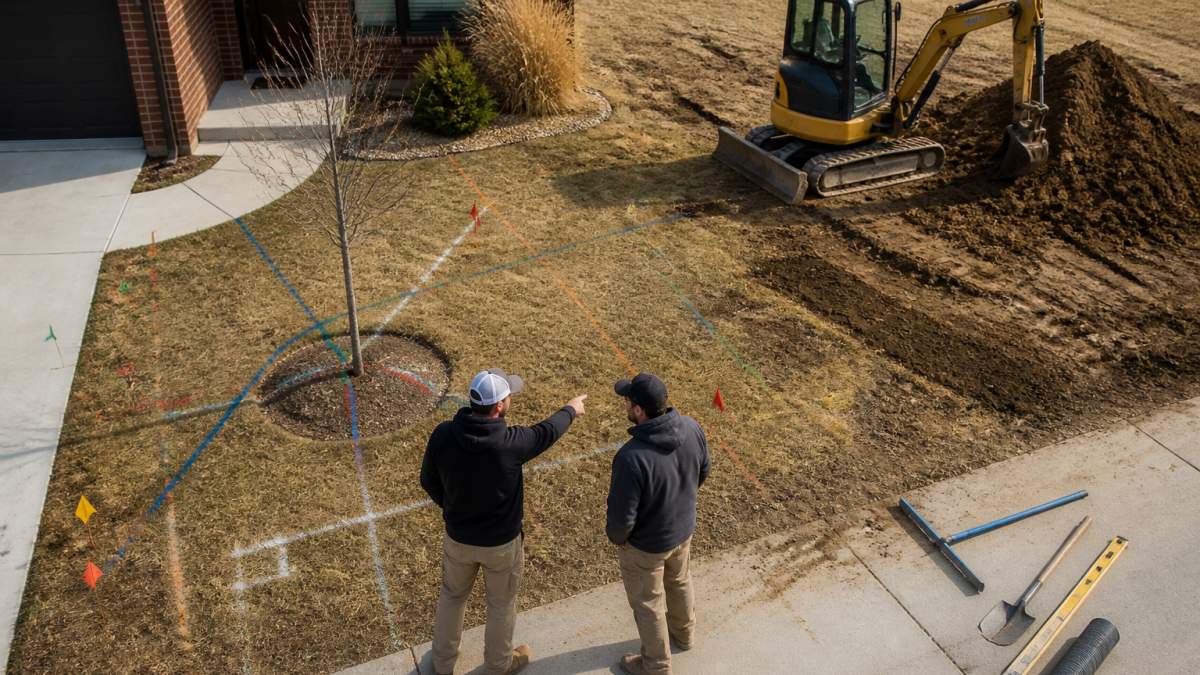
The process involves calling a free locating service (typically 811 in most areas) or arranging a private utility locate. This service marks the approximate locations of buried water lines, sewer lines, electrical conduits, gas lines, and telecommunications cables. The marks show you where NOT to dig and help contractors plan the work safely.
Most utilities are buried between one and three feet deep, but depths vary significantly by utility type and age. Old installations sometimes sit shallower than current code requires. This unpredictability is why marking isn't a suggestion, it's essential protection.
The locating service typically marks lines with paint or flags. Different colors indicate different utilities: red for electrical, yellow for gas, blue for water, green for sewer. These marks give you a visual reference for the project scope and help the excavation crew avoid hitting anything critical.
Timing matters here. You need utilities marked before the crew arrives, not during the job. Plan ahead so marks are fresh, they fade in sunlight and weather, and old marks create confusion about current line locations.
The locating technician walks the property, marks lines, and provides documentation showing what was marked and where. Keep these records, they're proof you took proper precautions and protect you legally if something unexpected happens.
Understanding Excavation Project Cost and What Drives It
Excavation project cost depends on what you're actually moving and where it's going. The biggest cost drivers are material volume, site conditions, equipment access, and disposal requirements.
Volume matters most. Moving 50 cubic yards of soil costs significantly less per yard than moving five cubic yards because the equipment is already on-site and running. Larger projects spread the setup and mobilization costs across more material.
Site conditions create hidden costs. Soil type affects how easily material moves. Clay requires more effort than sandy soil. Rocky soil may require equipment upgrades. Wet conditions slow work and sometimes make certain equipment unsuitable.
Equipment access determines which machinery works for your job. A tight residential lot with narrow gate access limits equipment size. A property with good access and open work area accommodates larger equipment that moves material faster and more efficiently.
Disposal costs depend on material type and destination. Clean fill can go to other sites or be used on-property. Concrete, asphalt, and mixed debris require hauling to specific disposal facilities. Brush and vegetation may go to a mulching facility.
NexGen Dirt & Haul provides straightforward pricing that accounts for these factors. Rather than guessing, we ask you to text a photo of your project.
The best approach is getting quotes from multiple sources and comparing what each includes. Some quotes might exclude hauling costs or disposal fees. Others might not account for site preparation.
How to Plan and Prepare Your Property for Excavation Work
Planning excavation work properly means understanding your project scope, securing necessary permits, and preparing the site so the crew can work efficiently. A few hours of preparation prevents delays and keeps costs reasonable.
Start by clearly defining what needs to happen. Are you grading the entire yard or just one problem area? Do you want debris removed or left in a pile for later? Are you preparing for new construction or just fixing drainage?
Next, identify what needs to stay protected. Mark areas where utilities run, where you want landscaping preserved, and where vehicle or foot traffic needs to continue during work.
Permits depend on your project type and local requirements. Grading work sometimes requires permits, sometimes doesn't. Demolition usually requires permits. Driveway work varies by jurisdiction. Contact your local building department or code enforcement office to confirm what your project needs.
Access preparation saves time and money. Clear the work area of vehicles, toys, lawn furniture, and anything else the equipment needs to move around.
Weather planning matters for small scale excavation. Wet conditions slow work and sometimes make equipment unsuitable for certain soil types. Scheduling during dry periods keeps costs down and work moving.
Getting a Quote and Choosing the Right Contractor
Getting accurate quotes requires giving contractors enough information to understand the scope. Vague descriptions lead to vague estimates that often prove wrong once work starts. The best quotes come from contractors who ask specific questions about what you're trying to accomplish.
When requesting quotes, include:
- Clear description of the work (grading, driveway repair, debris removal, etc.)
- Approximate area or volume if you know it
- Site access details (gate width, driveway condition, utility line locations if known)
- Timeline expectations (urgency affects availability and sometimes pricing)
- Budget range if you have one
A contractor worth hiring will ask follow-up questions. They'll want to understand site conditions, drainage patterns, soil type, and what happens to removed material. These questions show they're thinking through the actual work, not just quoting a generic job.
NexGen Dirt & Haul simplifies this process. Text a photo of your project and get a clear quote without the typical contractor runaround. No hidden fees, no surprise costs when we show up. We handle small-scale projects that many contractors ignore because they're too small to be worth the sales effort. For properties in the area needing reliable, straightforward excavation work and site prep, we deliver the service that fits your actual job size.
Small scale excavation services solve real problems that affect how properties function and look. Whether you're fixing drainage, repairing a driveway, or preparing a site, the work requires proper planning, utility awareness, and honest pricing. Get a quote from a contractor who understands your actual project scope, ask the right questions about site conditions and costs, and choose someone reliable enough to show up when promised.
Frequently Asked Questions
What projects can small-scale excavation services handle?
Small scale excavation handles residential and light commercial work including yard grading, driveway repairs, land clearing, site preparation, drainage fixes, and debris removal. These services work well for quarter-acre lots, foundation prep, concrete removal, and property cleanup between tenants. The work doesn't require heavy industrial equipment or multi-week timelines, it's built for homeowners, landlords, and small contractors who need efficient dirt work without the overhead of larger firms.
Why is utility locating before digging so important?
Underground utilities, water lines, gas, electric, and sewer, can be damaged during excavation, leading to expensive repairs, service interruptions, or safety hazards. Before any digging, contractors should contact local utility locating services to mark these lines. This protects your property, prevents project delays, and keeps everyone safe. It's a standard step that professional excavation services always complete before breaking ground.
What affects the cost of a small excavation job?
Excavation project cost depends on several factors: the size and scope of the area, soil type and compaction, site access and equipment room, debris removal quantity, grading complexity, and local permit requirements. Jobs requiring utility locating, drainage solutions, or heavy debris removal typically cost more. Getting an accurate quote means providing clear photos and details about your specific property conditions and what needs to be done.
How do I get a quote for a small excavation job?
Most local excavation services offer straightforward quoting processes. Text or email photos of your property along with a description of the work needed. Include details about site access, debris volume, and any drainage or grading concerns. Professional contractors will review your information and provide a clear estimate. Transparent pricing upfront means no surprises when the crew arrives, you know exactly what the job will cost before work begins.