Last Updated: November 8, 2026
Quick Summary
The best plants for wet areas in your yard are species that evolved along streambanks and pond edges, such as Japanese iris, cardinal flower, swamp milkweed, winterberry, and bald cypress. Match each plant to how deep the water gets and how long it stays before you buy.
- Wet soil stays saturated long enough that air can't reach plant roots, so most plants suffocate and rot.
- Dig a hole about a foot deep, fill it with water, and time how long it takes to drain.
- Persistently saturated soil is the sweet spot where wet-area plantings succeed most often.
- Plant for the wetter condition, not the average, so plants survive the worst week.
- Set each plant so the crown sits slightly above the surrounding soil line to avoid rot.
Table of Contents
- Why Some Yards Stay Wet and How to Read the Signs
- Plants That Like Wet Soil and Full Sun
- Plants That Like Wet Soil and Shade
- Water-Loving Plants for Drainage: Trees and Shrubs That Soak It Up
- Foundation Plants That Absorb Water and Protect Your Home
- Matching Plants to Water Depth and How Long It Stays
- Site Prep and Planting Steps for Wet Ground
- Getting a Quote for Grading or Drainage Help
- Frequently Asked Questions
Why Some Yards Stay Wet and How to Read the Signs
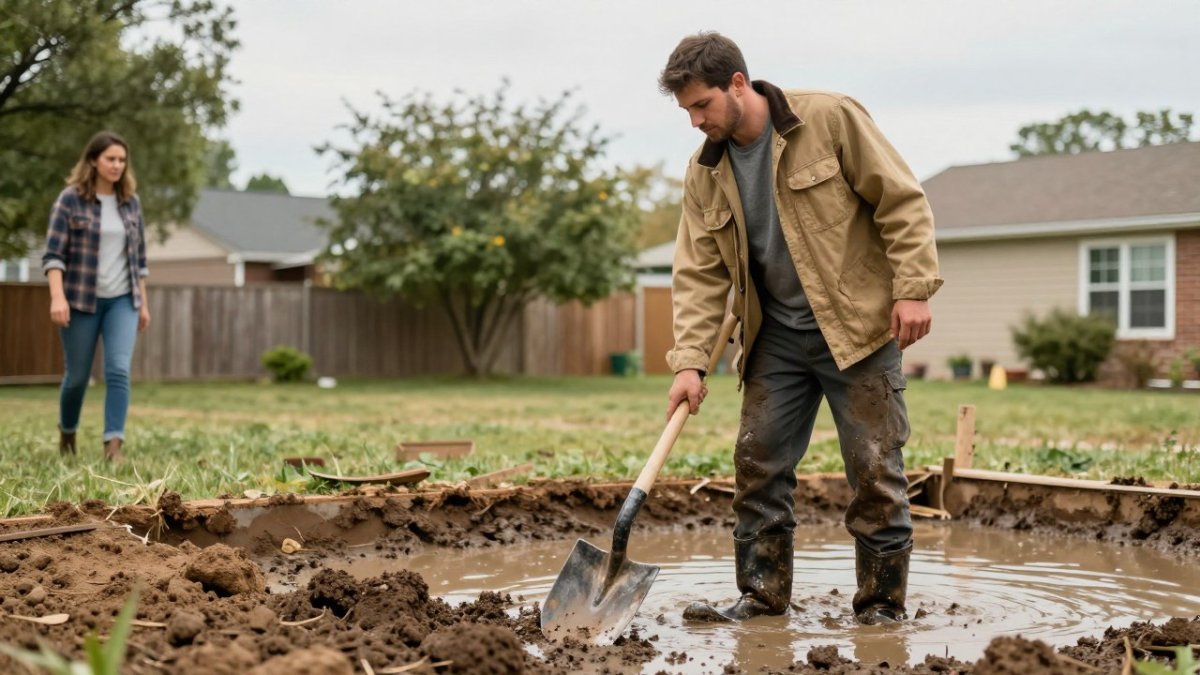
A soggy patch that never dries usually says something about the ground beneath it, not the weather. Before buying a single plant, figure out why the water sits there.
Wet soil is ground that stays saturated long enough that air can't reach plant roots. When that happens, most plants suffocate and rot. Only species adapted to low-oxygen conditions survive.
Diagnosing the Cause and Severity of Wet Soil
Watch one wet spot for a week after rain. Draining in a day points to heavy clay; standing for three days points to a drainage problem.
Dig a test hole about a foot deep and fill it with water.
Common culprits:
- Compacted clay that sheds water instead of absorbing it
- A yard graded so water flows toward the house instead of away
- A downspout dumping roof water right where the ground is lowest
The fix matters. If you want to fix the grading yourself, our guide on how to grade a yard for drainage walks through the steps.
Plants That Like Wet Soil and Full Sun
Sunny wet spots are the easiest to plant, since these plants want both moisture and light.
The best plants for wet areas in full-sun yards are perennials that evolved along streambanks and pond edges, handling saturated roots and dry spells without fuss.
Perennials and Flowering Plants for Sunny Wet Spots
Start with these reliable performers for full sun and moist soil:
- Japanese iris - tall, sword-like leaves and big blooms in early summer. Loves wet feet and full sun.
- Siberian iris - tougher than it looks, tolerates both wet and average soil, blue-purple flowers in late spring.
- Cardinal flower - brilliant red spikes that hummingbirds fight over. Needs consistent moisture.
- Swamp milkweed - pink flower clusters, a host plant for monarch butterflies.
- Astilbe - feathery plumes in pink, white, or red. Happiest in moist, rich ground.
- Turtlehead - snapdragon-like pink flowers in late summer, loves wet meadows.
- Goat's beard - creamy white plumes, tall and dramatic in a wet border.
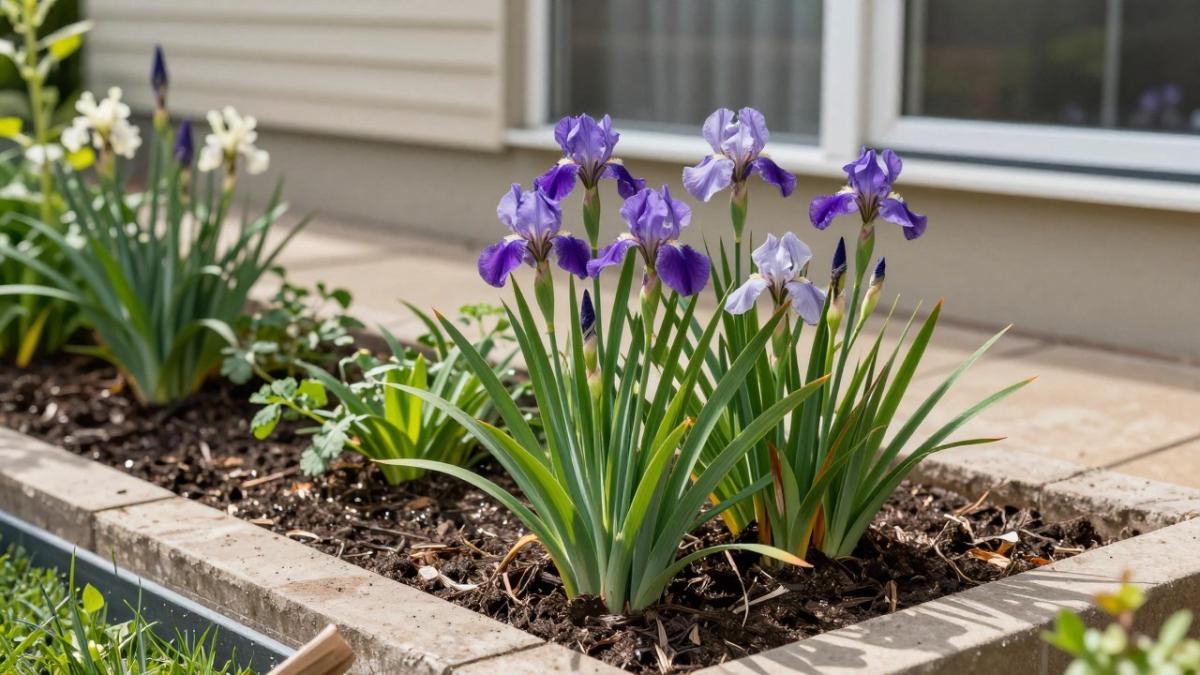
Most are low maintenance once established. Water them the first season, then let the ground do the work.
Plants That Like Wet Soil and Shade
Shady wet ground is the hardest spot in most yards. It stays damp longer, dries slower, and kills off the usual lawn grasses. The answer is shade-tolerant natives that evolved in woodland swamps.
Shrubs and Perennials for Shaded Wet Areas
For shrubs, red osier dogwood gives you bright winter stems and tolerates soggy soil. Winterberry is another strong pick, and its red berries feed birds through winter. Inkberry stays green year-round and handles wet shade better than most evergreens.
For perennials in shade, try these:
- Turtlehead - blooms in part shade as long as the soil stays wet
- Astilbe - works in shade if you keep the moisture up
- Begonias and New Guinea impatiens - annuals that thrive in damp shade beds
Watch out: shade plus poor drainage is where root rot starts. If the ground is truly waterlogged, amend it with organic matter before planting.
Water-Loving Plants for Drainage: Trees and Shrubs That Soak It Up
Trees and shrubs pull more water from the ground than any flower bed, so a consistently wet area calls for something with a real thirst.
Bald cypress is the standout. It thrives in standing water and still grows in average soil once established. River birch handles wet ground and gives you peeling bark and yellow fall color. Red osier dogwood and black chokeberry both tolerate soggy soil and feed wildlife.
A word of caution: plant trees away from foundations and septic lines. Their roots seek water, and that's exactly where they'll find it.
Foundation Plants That Absorb Water and Protect Your Home
Water pooling against your foundation is a structural problem, not just a landscaping one. Foundation plants that absorb water help, but they supplement proper grading; they don't replace it.
Good choices near a wet foundation include winterberry, inkberry, and black chokeberry. They tolerate moist soil and stay manageable in size.
But be honest about the limits here. NexGen Dirt & Haul handles small-scale grading and excavation, and you can request a quote for grading or drainage work by texting a photo of the problem area.
Matching Plants to Water Depth and How Long It Stays
Not all wet spots are equal. The right plant depends on how deep the water gets, how long it stays, and how much sun the spot receives. Most plant lists skip this step, which is why so many wet-area plantings fail in the first year. Use the matrix below to match species to your yard's actual condition, not a generic "likes moisture" label.
First, Classify Your Wet Spot
Before you shop, sort your spot into one of four water regimes. Each one calls for a different plant palette.
- Damp but never saturated: soil feels moist most of the year but never squishes. Drains within a day of rain.
- Seasonally saturated: soil is waterlogged for days to weeks after heavy rain or snowmelt, then dries out.
- Persistently saturated: soil stays wet most of the growing season, with no standing water on the surface.
A simple field test: dig a hole about a foot deep, fill it with water, and time how long it takes to drain. Under a few hours means damp; overnight means seasonally saturated; two or more days means persistently saturated; water that never fully drains means standing water.
The Water-Depth Matrix
| Water Condition | Duration | Full Sun Picks | Part-Shade Picks | Notes |
|---|---|---|---|---|
| Standing water several inches deep | Weeks at a time | Bald cypress, cord grass, swamp milkweed | Bald cypress (tolerates part shade) | Few plants survive this; plant the edges, not the center |
| Persistently saturated, no standing water | Most of the growing season | Japanese iris, swamp milkweed, cardinal flower, turtlehead | Winterberry, inkberry, red osier dogwood | The widest palette; most reliable wet-area plantings live here |
| Seasonally saturated | Days to weeks after rain | Siberian iris, astilbe, river birch, goat's beard | Astilbe, turtlehead, red osier dogwood | Plants must tolerate both wet and dry spells |
| Damp but drains within a day | Seasonal | Astilbe, Siberian iris, river birch, black chokeberry | Inkberry, winterberry | Treat as ordinary garden soil with a moisture bonus |
Reading the Matrix in Practice
Match the plant to the condition and you will spend far less time replacing dead plants. A few rules of thumb make the matrix easier to apply:
- Plant for the wetter condition, not the average. A spot that floods for two weeks every spring is a standing-water site for those two weeks, even if it is dry the rest of the year. Choose plants that tolerate the worst week, not the typical one.
- Standing water is the hardest case. Only a handful of species tolerate weeks of submerged roots. Bald cypress and cord grass are the most reliable; plant them at the water's edge and let the center stay open.
- Persistently saturated soil is the sweet spot. Most of the plants in this article fall here, and it is where wet-area plantings succeed most often.
Hardiness and Native Status
Before you commit, check two more things for your area. First, confirm the plant is hardy in your USDA hardiness zone; a plant that survives the moisture but not the winter is no bargain. Second, check whether the species is native to your region or listed as invasive locally.
For more guidance on working with damp, uneven ground, browse the NexGen Dirt & Haul blog for related how-to articles.
Site Prep and Planting Steps for Wet Ground
Planting into soggy soil takes a few extra steps. Skip them and your new plants will struggle, even if you chose the right species.
Step 1: Assess the Site Before You Dig
Start with the drainage hole test described above, and run it twice: once after a heavy rain and once during a dry spell.
Then check the soil itself. A simple jar test separates clay, silt, and sand: fill a clear jar one-third with soil, top it with water, shake, and let it settle.
A soil test from your state extension office or a commercial lab will also tell you pH and nutrient levels.
Step 2: Check Local Rules
Some drainage work and grading needs a permit, and stormwater rules vary by municipality. Our guide on yard drainage permits and regulations covers what homeowners need to know before digging. If your project touches a wetland or a regulated buffer, stop and check first; the rules are stricter than most homeowners expect.
Step 3: Amend Heavy Clay
Work compost into the top several inches of soil to improve structure. Do not dig a deep amended pocket surrounded by unamended clay; that creates a bathtub that holds water. Amend broadly across the planting area at a moderate rate. Organic matter improves drainage in clay and water-holding capacity in sand, so it helps either direction.
Step 4: Plant at the Right Time and Depth
Plant in early fall in most of the country, when soil is still warm and rainfall is more reliable.
Set each plant so the crown, where stems meet roots, sits slightly above the surrounding soil line.
Space plants according to their mature spread, not their nursery-pot size. Wet-soil perennials often spread vigorously once established, and tight spacing invites rot and mildew.
Step 5: Mulch and Water Through Establishment
Mulch lightly, two to three inches, and keep mulch away from stems. In wet ground, a heavy mulch layer can hold moisture against the crown and cause rot, so go thinner than you would in a dry bed.
Water the first season even in wet ground. New roots need consistent moisture while they establish, and a dry spell in the first summer can set a plant back even on a site that floods in spring.
Step 6: Watch the First Year
Check the planting after heavy rain for the first season. If water stands around a crown for more than a day or two, the plant is in the wrong spot; move it rather than wait for it to fail.
If you are raising a low spot with fresh soil, our article on how to spread topsoil evenly over an uneven lawn shows the right technique so water drains instead of pooling.
Getting a Quote for Grading or Drainage Help
Sometimes the honest answer is that plants won't fix the problem.
NexGen Dirt & Haul handles small-scale grading and yard leveling for homeowners and landlords in the OKC metro area. Text a photo of your wet spot to request a quote.
Visit the NexGen Dirt & Haul pricing page or text a photo of your project for a quote before you plant.
Frequently Asked Questions
What plants are good for a wet spot in my yard?
The right pick depends on sun and how long water stands. For full sun, try Japanese iris, Siberian iris, cardinal flower, swamp milkweed, or astilbe. In shade, turtlehead, goat's beard, and most dogwoods handle soggy soil well. Trees like bald cypress and river birch drink up excess moisture. Match the plant to your light level and water duration first, then choose from there.
Can plants help improve drainage in a wet yard?
Plants help, but they are not a fix for a grading problem. Water-loving plants for drainage, such as river birch, red osier dogwood, and winterberry, take up moisture and improve soil structure over time. If water pools because the ground slopes toward your house, though, planting alone will not solve it. Grading and surface drainage matter more in those cases.
Which plants grow well in wet soil and shade?
Shaded wet areas suit turtlehead, goat's beard, astilbe, and many native shrubs. Inkberry, black chokeberry, and red osier dogwood tolerate moist soil and part shade. These plants handle consistently damp ground but still need some light to flower well. Check your hardiness zone before buying, since some species struggle in colder or hotter regions.
What should I do if my yard stays waterlogged after planting?
If water still stands days after rain, the issue is likely poor drainage or grading, not plant choice. Water-tolerant plants survive wet feet, but they cannot fix a low spot that collects runoff. Have the site assessed, and consider regrading or a shallow swale to move water away from the foundation. A contractor can quote grading work based on a photo of the problem area.
